Learn

Preparation
Guide

The rule with linseed oil paint is: remove anything that will block oil penetration or trap moisture, then paint in thin coats.

Linseed oil paint or stain performs best when applied to a sound, absorbent surface. The oil must be able to penetrate and bond with the substrate so it can properly polymerize and form a durable, protective finish. This natural interaction allows the coating to wick moisture away from the wood rather than trap it.

In contrast, plastic-based coatings form a sealed film that traps moisture at the wood–paint interface, leading to decay, blistering, and peeling over time.

How to remove paint

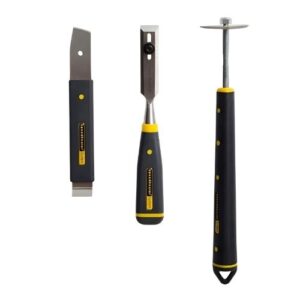
Paint can be removed from wood using infrared heat, laser technology, or traditional scrapers. Infrared gently warms the paint and upper wood fibers, allowing it to be lifted cleanly with a scraper without damaging the surface. Laser removal uses focused light energy to vaporize paint with high precision. Scrapers remain the most practical tool, allowing softened paint to be lifted while following the grain of the wood.

How to make sure knots dont bleed through

The knotting primer is applied directly to the knot and the surrounding area of bare wood. Typically, one to two thin coats are sufficient, allowing each coat to dry fully before applying the next. Once sealed, the surface can be primed or painted with linseed oil paint as part of the full coating system.

How to use linseed oil putty

Bed it into clean timber and compact it firmly, then paint it once it has skinned over (approx. 3 hrs).

Window Restoration

Start with a clean frame. If the wood is very dry, apply a thin coat of boiled linseed oil and allow it to absorb. This prevents the timber from drawing oil out of the putty too quickly.

Shallow Repairs

Press the putty firmly into the hole using a putty knife or your fingers. Use oakum filler for gaps deeper than a 2/3 inches.

How to use oakum filler

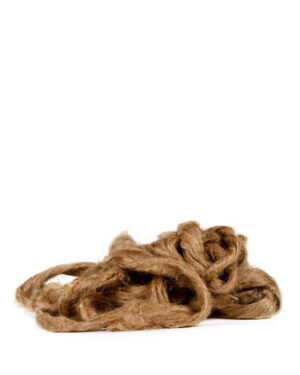
Oakum is useful when gaps are too large to be filled with putty alone. 

Pull apart a small amount of oakum to loosen the fibers, then roll it lightly between your fingers to form a workable strand. Press the oakum firmly into the gap using a putty knife or caulking iron, packing it in until the void is filled while leaving approximately 3–5 mm (⅛–¼ inch) of space at the surface. This remaining space is then finished with linseed oil putty.

Shopping Basket
Scroll to Top