


One downside of linseed paint is that it takes much longer to dry than petrochemical paints. Ideally, it needs dry conditions and plenty of natural UV light to dry thoroughly. Even when the paint is dry to the touch, it can take weeks or even months for the paint to fully cure, especially if conditions are damp or the surface does not get much direct natural light. However, just leave the paint, and it will dry out naturally.
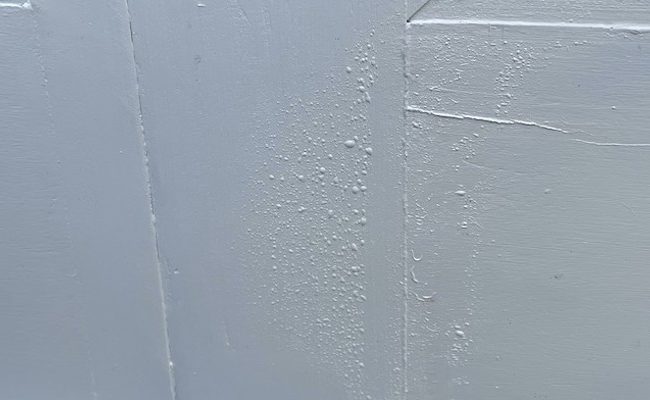
As linseed oil paint absorbs into timber, it can push out moisture trapped within the wood. During this natural wicking process, it may also draw out residual chemicals, treatments, or resins that remain in the timber—even if the surface has been stripped back to bare wood. These substances are often present in older timber and can also occur in new or treated wood. As they migrate to the surface, the paint film may temporarily appear patchy, uneven, or show areas of lifting or blistering. While this can be frustrating after achieving a fresh finish, it is part of the material’s natural behavior. By drawing these substances out, the linseed oil paint helps leave the timber cleaner and better protected over time.
If this occurs, the best approach is to allow the surface to rest for a couple of months—or over the winter—so the wicking process can complete. Once the surface has stabilized, lightly sand the area and apply another coat of paint to restore a uniform finish.
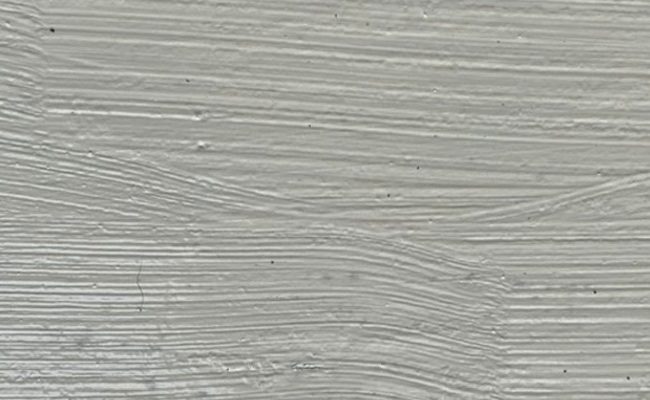 Linseed paint does not need to be painted on as thickly as petrochemical paints do, as it is absorbed by the surface rather than just coating it. If it is painted too thickly, it can result in a poor finish. This is sometimes seen with visible brush strokes or an otherwise rough appearance to the paint. In some cases, linseed paint that has been applied too thickly will result in ‘wrinkling’, which is when the paint has a wrinkled appearance and never fully dries.
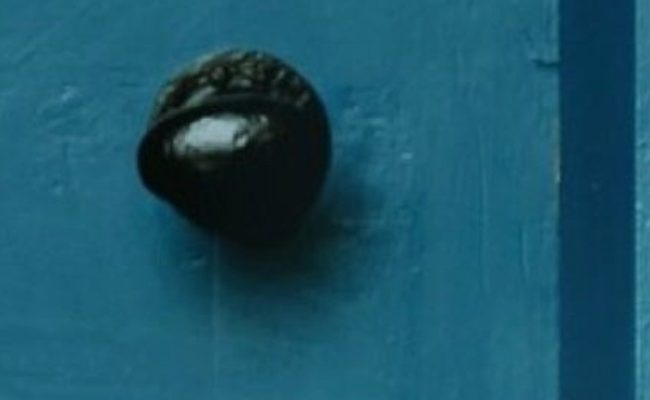 Though linseed paint has a very nice sheen when freshly painted, this is not the final finish. In fact, linseed paint will not develop its proper patina for a couple of years. Natural UV light will strip oil from the surface over this time, which will eventually result in the lovely matte finish associated with linseed paint.
Repainting linseed paint too regularly can actually be detrimental to the wooden surface reducing the wicking properties, so no matter how tempting it might be to to hold on to the freshly-painted ‘sheen’ of the paint, try to avoid this. However, you may wish to add a coat of boiled linseed oil to the surface every few years to keep the paint job and the colour looking fresh.
It is reasonably normal for the surface layer of linseed paint to turn dull, powdery or chalky. This is especially likely to happen in very hot weather, or if the surface in question is very exposed to the elements. Do remember that whatever is happening on the top layer, the linseed paint is still acting as a protective barrier for the timber underneath. This process is often more visible on darker colors, especially blue. In some cases, the top layer of paint may turn a chalky white color and come off on your hands.
If this happens, there is a simple solution. Simply wiping the surface down with some boiled linseed oil is usually enough to restore the surface layer.
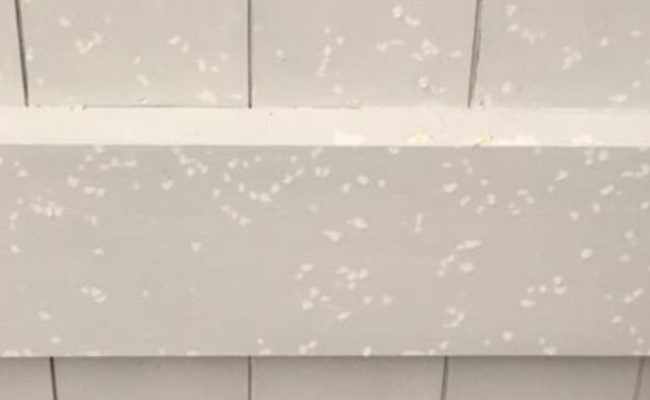 Even if you’ve done your best to choose a clear day for painting, imminent rain cannot always be predicted. If it rains after you have painted, you may see white spots appearing on the painted surface, especially on newly painted surfaces. This is entirely normal; you don’t need to worry or do anything. The white spots will dry up and disappear once the weather improves and the water droplets evaporate.
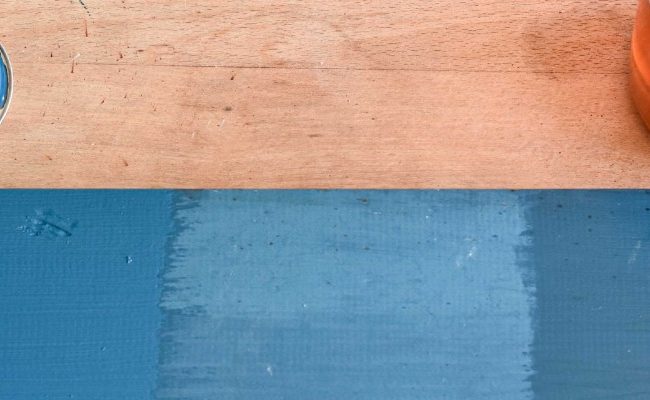 Just as linseed paint should be expected to develop more of a matte finish over time, you should also expect some changes in the color of the paint. Some pigments will be more colorfast than others, so if this is a concern, it may be well worth considering your color choice. The important point is that any color shift is unlikely to affect the function of your paint. Slight color changes often occur as part of UV light stripping oil over time, but this process is not detrimental to the paint’s effectiveness. White and off-white colors tend to look the freshest for the longest. If your surface is affected by pollen or traffic pollution, this may temporarily discolor it, but a good clean with some linseed soap once a year will be sufficient.
Reds, yellows, browns, grays, and blacks usually require the least amount of maintenance. As a rule, you wouldn’t normally need to re-oil these colors for 7–8 years, depending on conditions.
Blue and dark green shades are the hardest to keep fresh. In these shades, the oil makes the pigments appear darker, so as this is stripped away, the tint will look lighter. This can be resolved easily enough with a fresh coat of oil, but to keep a blue shade looking its best – especially if it’s on a surface that gets a lot of direct light – you may need to re-oil every year.
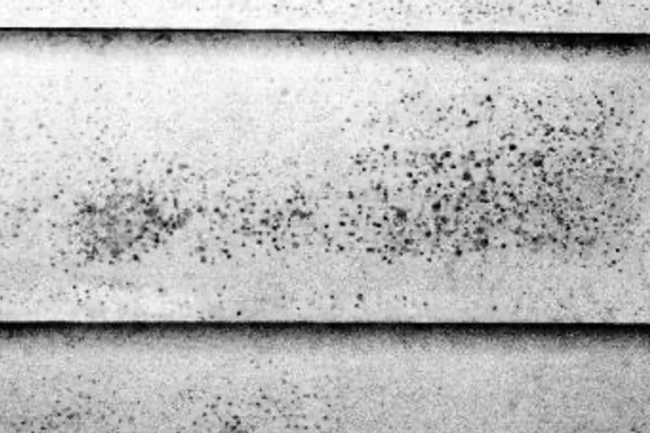 Good quality linseed paint should include zinc pigments. Zinc, along with the protection from trapped moisture afforded by linseed paint, does help to combat the growth of mould. However, this doesn’t mean that you won’t still need to keep up with other anti-mould strategies in addition to this. You will want to make sure that you keep an eye out for any standing water on the paintwork. It is also helpful to regularly wipe away any debris, dust or dirt.
If any mold does appear as time goes on, in the first instance the best thing to do is to spray the mold with acetic acid (also known as concentrated vinegar), leave it for 24 hours and then brush the mold off and rinse the area with water.
All of the above is for general guidance only and each project should be assessed on its own. Different climates, solar exposure and pollution all have a big role to play and vary not only from region to region but will also be different between a north and south facing façade.
-
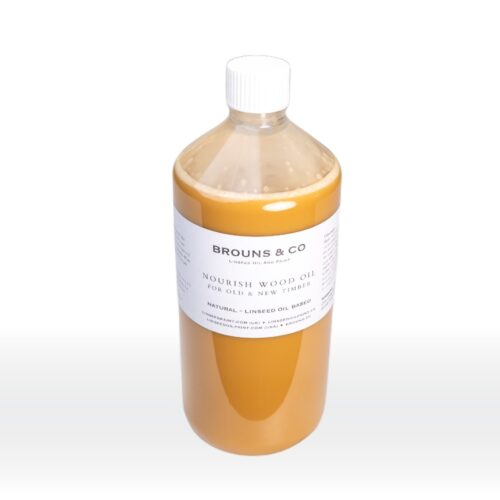
Nourish Wood Oil
Price range: $42.00 through $70.95 Select options This product has multiple variants. The options may be chosen on the product page -
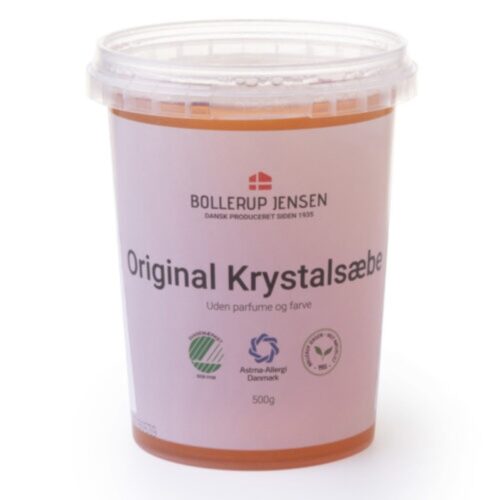
Krystal Brown Soap
$13.75 Add to cart -
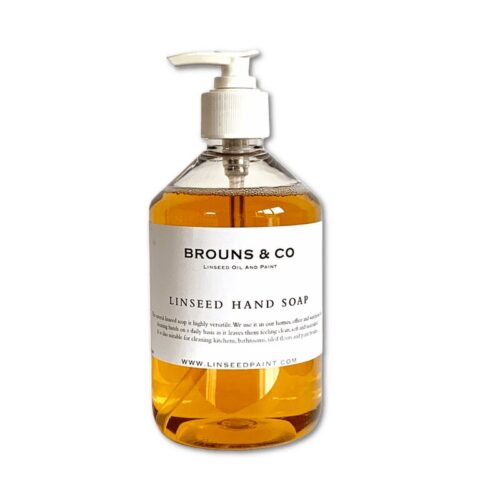
Linseed Oil Hand Soap
$17.95 Read more -
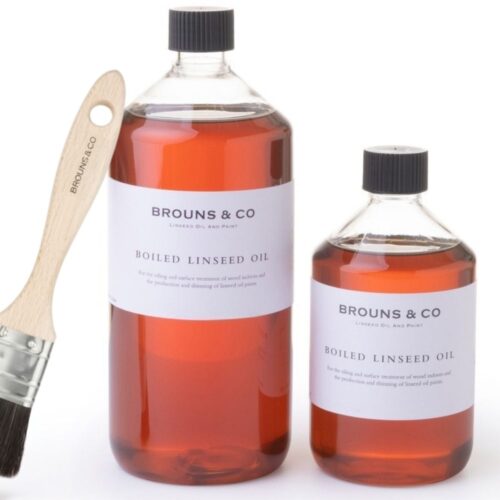
Boiled Linseed Oil
Price range: $14.50 through $88.50 Select options This product has multiple variants. The options may be chosen on the product page