


Rooted in Material Truth
Project Consultation
Restoration is not solely about color selection. It is a question of material, surface, and long-term behavior.
Michiel Brouns works directly with architects, preservationists, and private clients to guide decisions where it matters most—at the intersection of history, substrate, and finish. This is not a generic consultation. It is a considered approach grounded in decades of experience with linseed oil paint and traditional building methods.
A Material-First Approach to Restoration
Historic and traditional buildings rarely fail because of a single material. Moisture, previous coatings, exposure, substrate condition, preparation, and maintenance all influence how a finish will perform.
A project consultation with Michiel Brouns brings decades of practical knowledge of linseed oil paint, traditional materials, and building conservation directly to your project. Whether you are restoring a single historic house or developing a specification for a major preservation project, the process begins by understanding the building before recommending a system.
The objective is not simply to choose a paint color. It is to establish the right approach for protecting the building and its original fabric for the long term.
Maintain the system rather than continually replacing it.
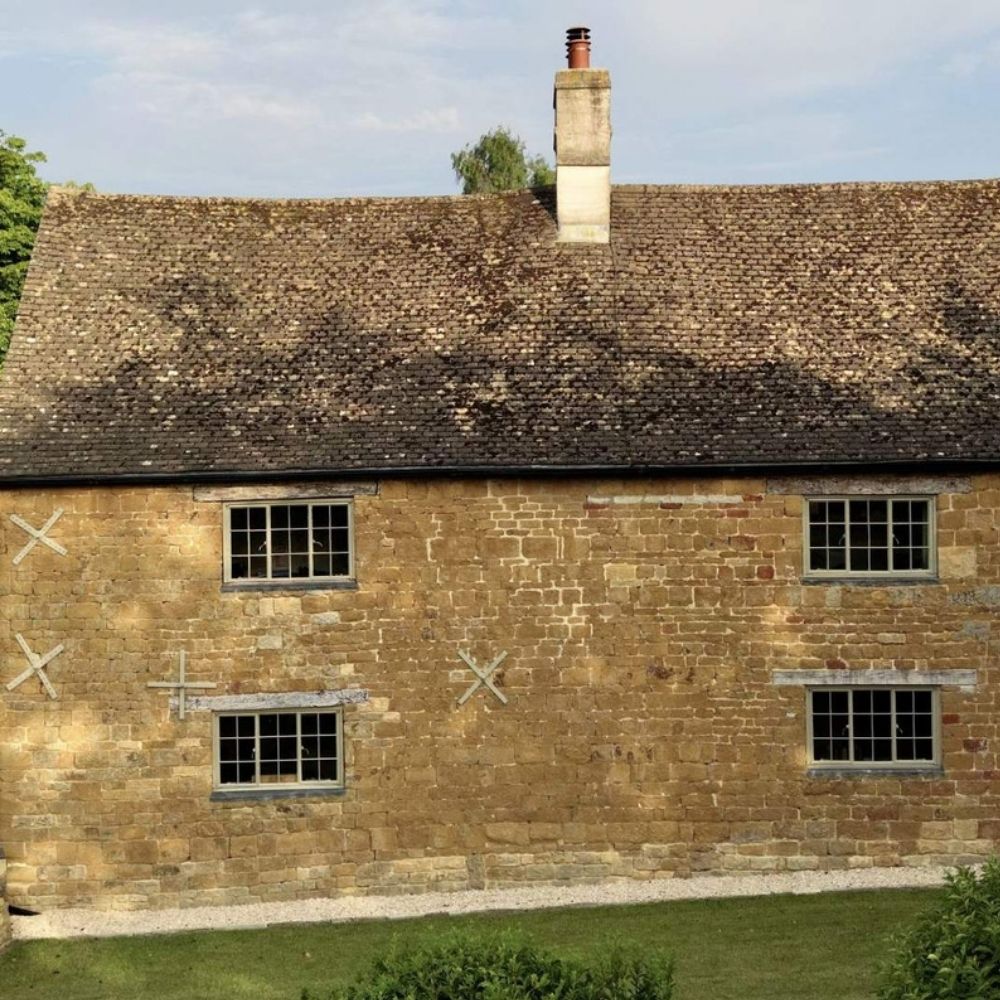
A Building-Specific Approach
Every project begins with the same principle: understand the building before applying a system.
Michiel considers the existing substrate, previous coatings, condition of the building fabric, moisture movement, orientation, exposure, preparation requirements, and the materials already present. From there, he can advise on the appropriate use of linseed oil paint across timber, metal, masonry, and other suitable heritage surfaces.
Rather than imposing a modern coating onto an older structure, the goal is to work with the building and its materials, allowing them to perform as intended.
What the Consultation Can Cover
Depending on the project, Michiel can provide guidance on existing paint and substrate conditions, surface preparation, removal of incompatible coatings, primer selection, linseed oil paint specification, application, coverage, drying conditions, color selection, and future maintenance.
Particular attention is given to areas where failures commonly begin: historic windows, exterior joinery, timber siding, doors, ironwork, exposed architectural details, and surfaces where previous coatings may be trapping moisture.
For larger projects, the consultation can also help architects, contractors, preservation teams, and owners establish a consistent linseed oil paint system before work begins on site.
Why Linseed Oil Paint Behaves Differently
Linseed oil paint works differently from conventional film-forming coatings. Rather than simply sitting on top of timber, the oil penetrates into the substrate and polymerizes as it cures, integrating with the material beneath.
This allows the paint system to work with the surface while supporting the outward movement of moisture rather than relying on an impermeable plastic film. For traditional timber in particular, that difference can be fundamental to how the building performs over time.
As linseed oil paint ages, it gradually becomes more matte rather than following the familiar cycle of widespread cracking and peeling associated with failed film-forming coatings.
Maintenance is therefore approached differently. Instead of automatically stripping and repainting the entire surface, the finish can be assessed and, when appropriate, replenished with boiled linseed oil.
Preparation Before Paint
A successful finish begins long before the first coat is applied.
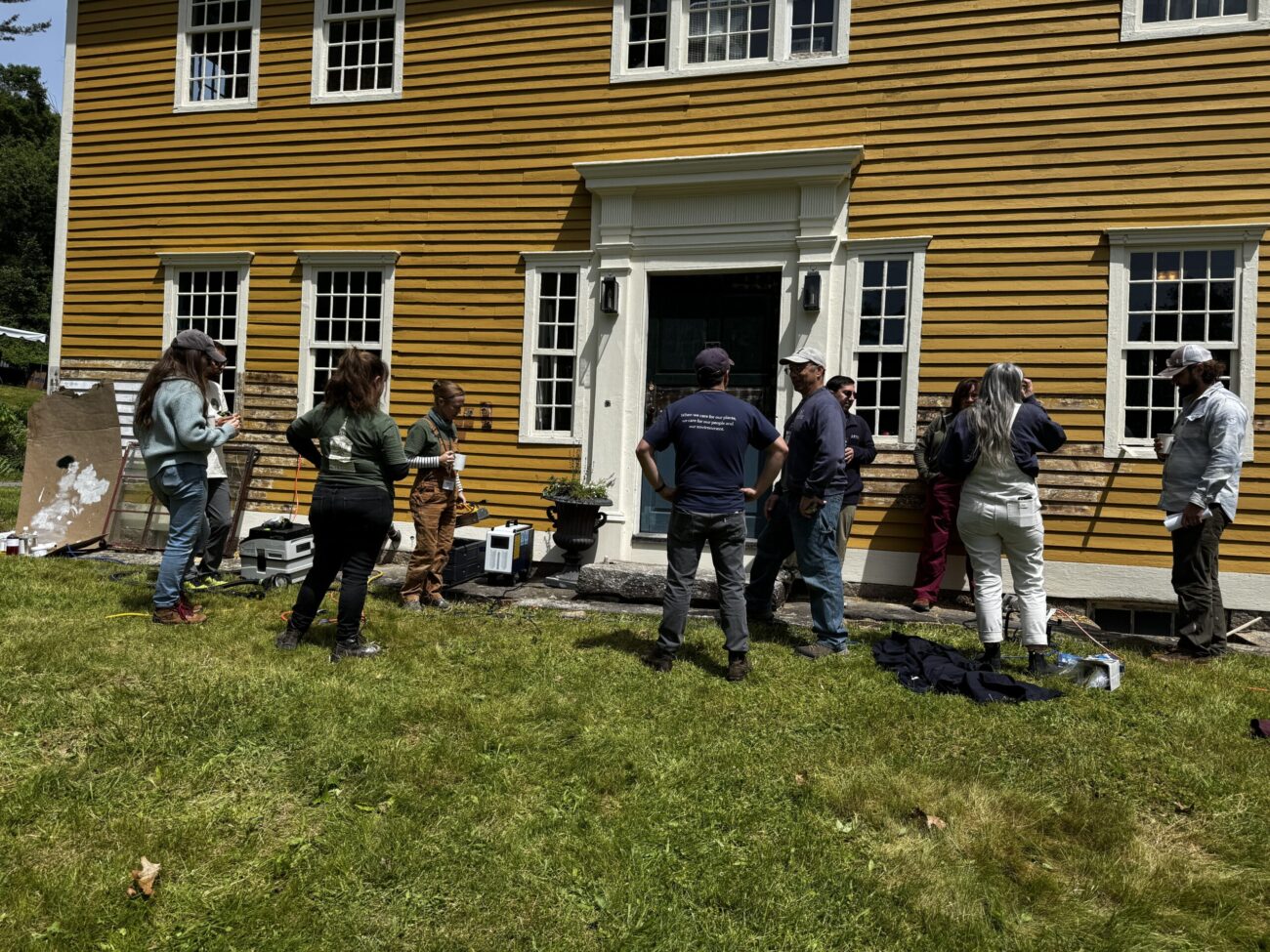
Existing coatings may need to be assessed and, where necessary, removed before a traditional paint system can perform correctly. Michiel can advise on appropriate preparation methods and the transition from incompatible coatings to linseed oil paint.
The aim is always to preserve as much sound original material as possible while creating the correct surface for the new system.
This is particularly important with historic windows and exterior timber, where aggressive preparation or unnecessary replacement can destroy building fabric that could otherwise have remained in service for decades.
The Right System for the Right Surface
There is no universal specification for every building.
A south-facing window exposed to intense sun and weather does not experience the same conditions as protected joinery on a north elevation. New timber may require a different approach from centuries-old wood. Ironwork has different preparation requirements from masonry or plaster.
The consultation takes these differences into account.
Primer choice, number and thickness of coats, preparation, application, and maintenance strategy can then be considered as part of one coherent system rather than as isolated product decisions.
Color and Historic Character
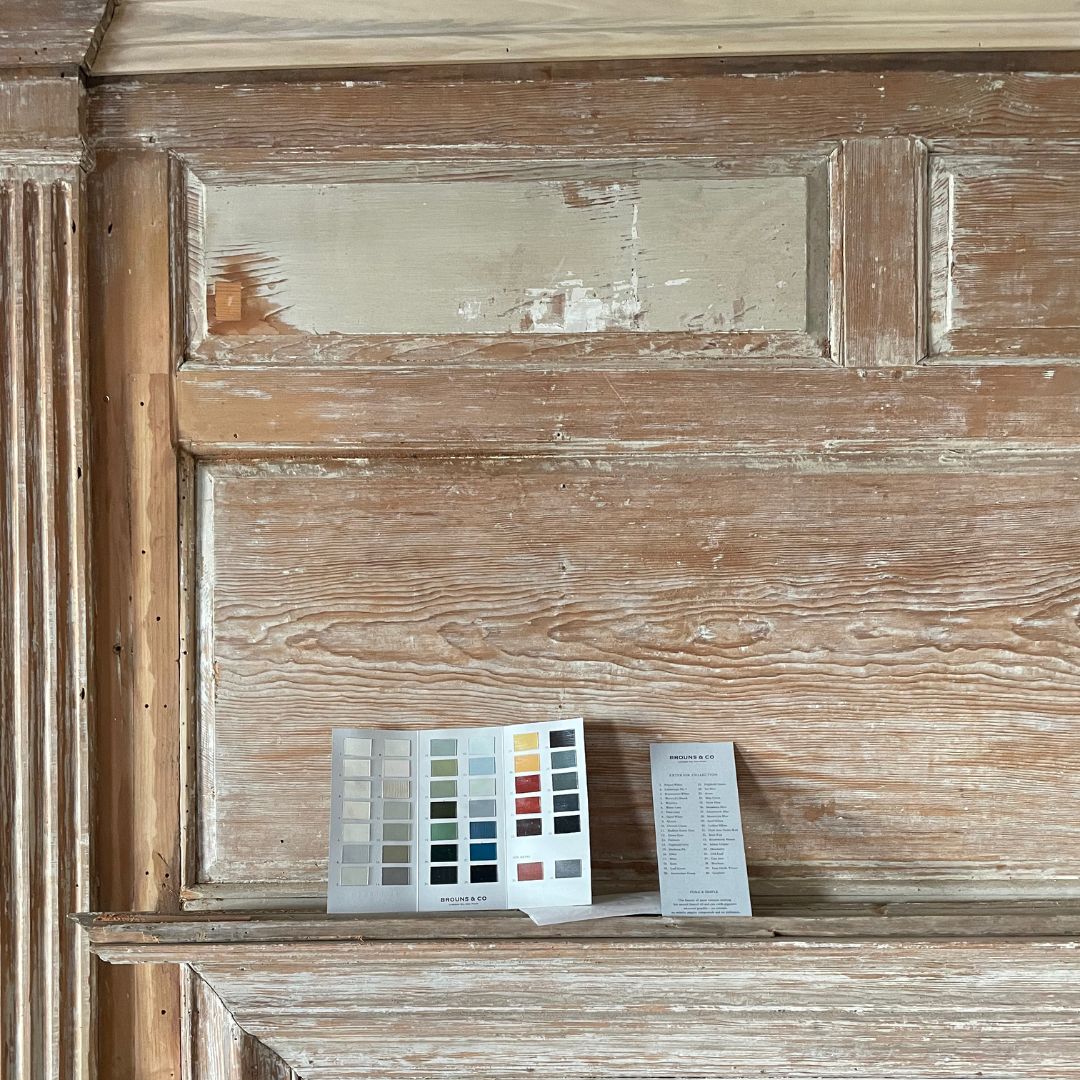
For restoration projects, Michiel can work with architects, conservators, owners, and project teams to consider appropriate colors within the context of the building, its materials, architectural period, and surrounding landscape.
Where an existing historic color needs to be recreated, Brouns & Co can also explore color matching and project-specific requirements.
The goal is not to make an old building look newly painted. It is to find a finish that belongs to the architecture.
Think Beyond the Next Paint Cycle
The real value of a traditional paint system is not simply how it looks when the scaffolding comes down. It is how the building performs five, ten, twenty, and more years later.
A Brouns & Co project consultation looks beyond the initial application to consider how the surface will weather and how it can be maintained over time. That long-term thinking can help reduce unnecessary stripping, replacement of historic fabric, material waste, and repeated intervention. For buildings intended to survive for generations, the specification should think in generations too.
For Architects & Preservation Professionals
For architects and preservation professionals, early consultation can help remove uncertainty before a project reaches the construction phase.
Michiel can assist with questions surrounding substrate compatibility, preparation, primer and finish selection, coverage, application requirements, maintenance planning, and the practical realities of introducing a traditional linseed oil paint system on site.
This can be particularly valuable when contractors or tradespeople are unfamiliar with linseed oil paint. Establishing the methodology early gives everyone involved a clearer understanding of how the system should be prepared, applied, and maintained.
For Contractors & Craftspeople
Traditional materials reward good workmanship. Michiel can help contractors understand how linseed oil paint differs from conventional coatings, including how thinly it should be applied, how the paint interacts with the substrate, what preparation is required, and what conditions influence curing and performance.
For Historic Homeowners
You do not need to be undertaking a museum-scale restoration to benefit from understanding your building.
A consultation can help owners of historic and traditional homes determine what is happening beneath existing paint, whether previous coatings should be removed, how original windows and timber can be preserved, which system is appropriate, and how future maintenance can be planned.
Discuss Your Project with Michiel Brouns
If you are planning a restoration, preservation project, historic window program, exterior repainting, or a transition from modern coatings to a traditional linseed oil paint system, speak with us before work begins.
Tell us about the building, the surfaces involved, their current condition, previous coatings, project location, and the work you are considering. Photographs, architectural drawings, paint analysis, condition reports, and existing specifications can also help provide useful context.
From there, we can determine the appropriate level of consultation and help establish a considered approach for your project.
Request a Project Consultation
Speak with Michiel Brouns about your building and establish the right approach before work begins.