Preservation in Practice at The Castle's Inaugural Training
"The best way to learn traditional building skills is still the same as it has always been: working with the materials, alongside people who know them well."
The Castle Inaugural Training Brings Traditional Building Skills Back Into the Workshop
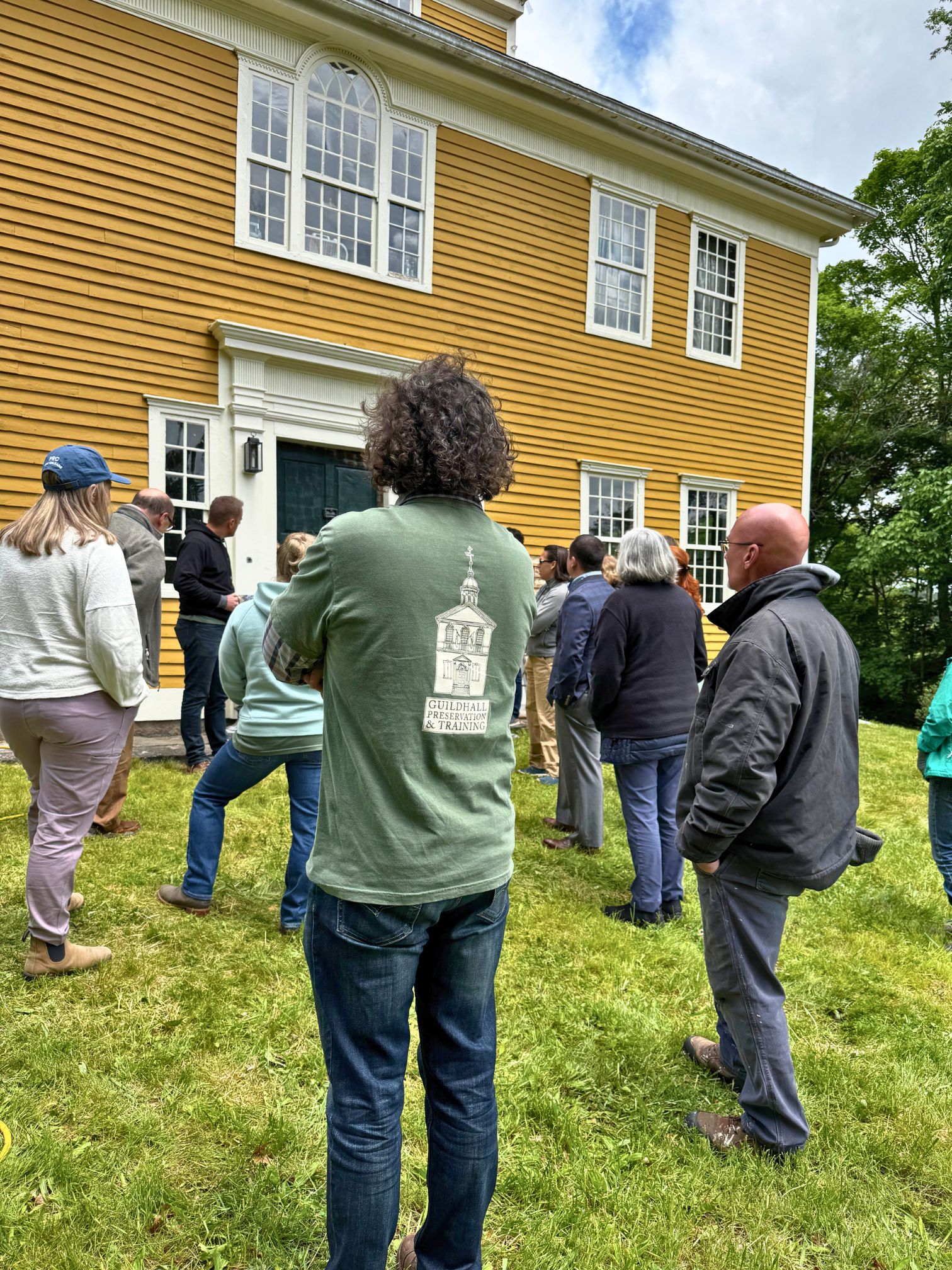
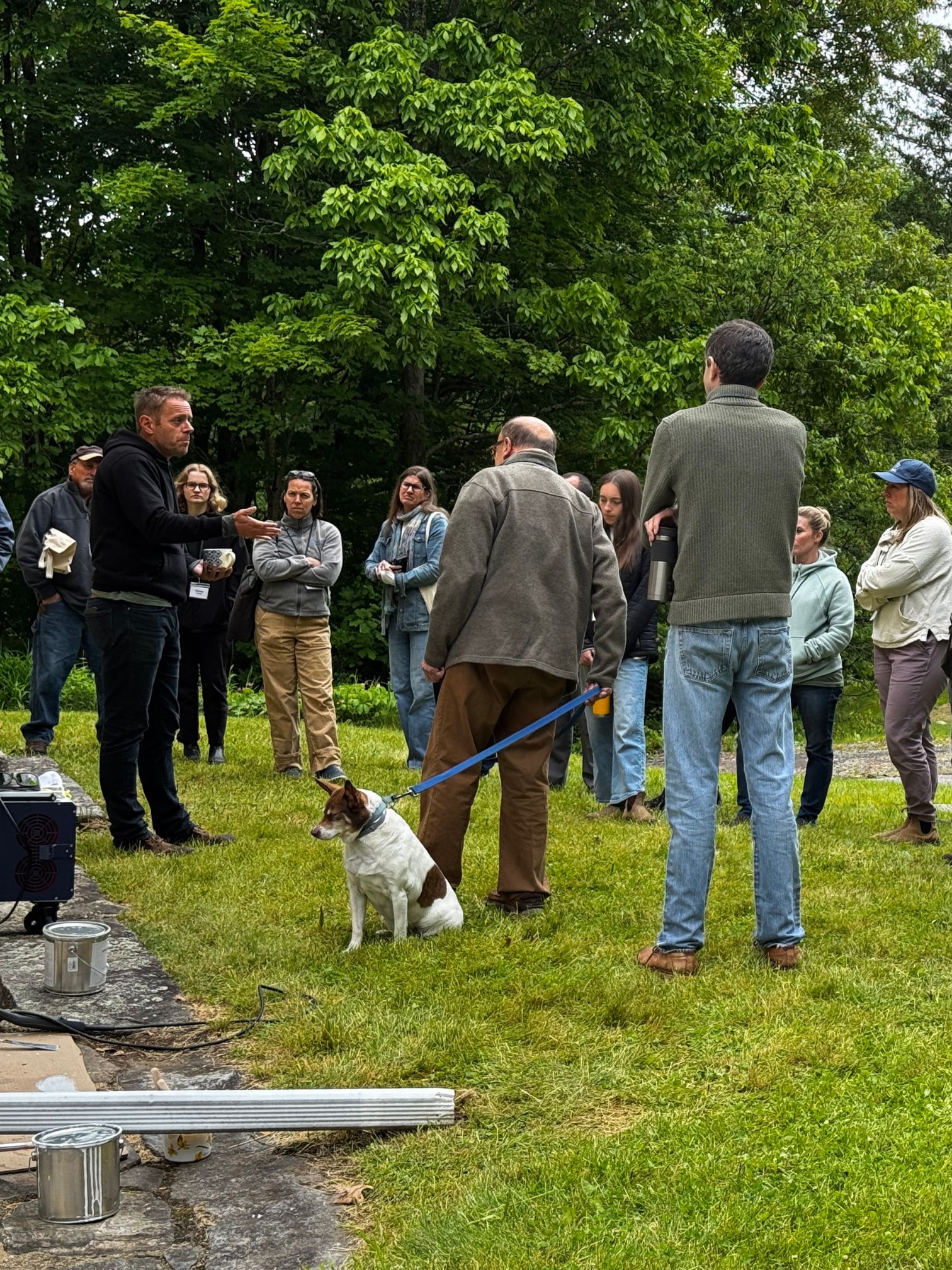
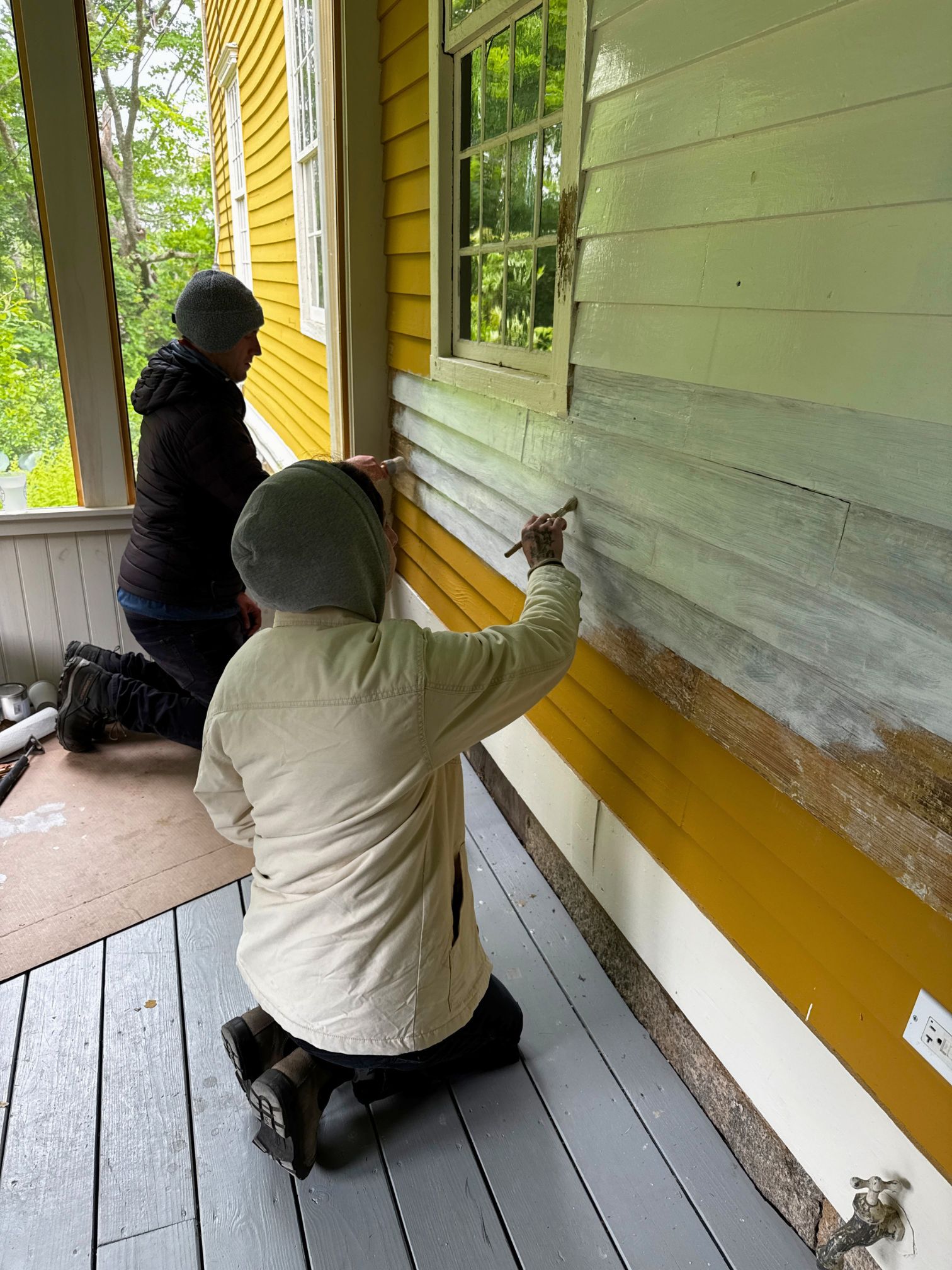
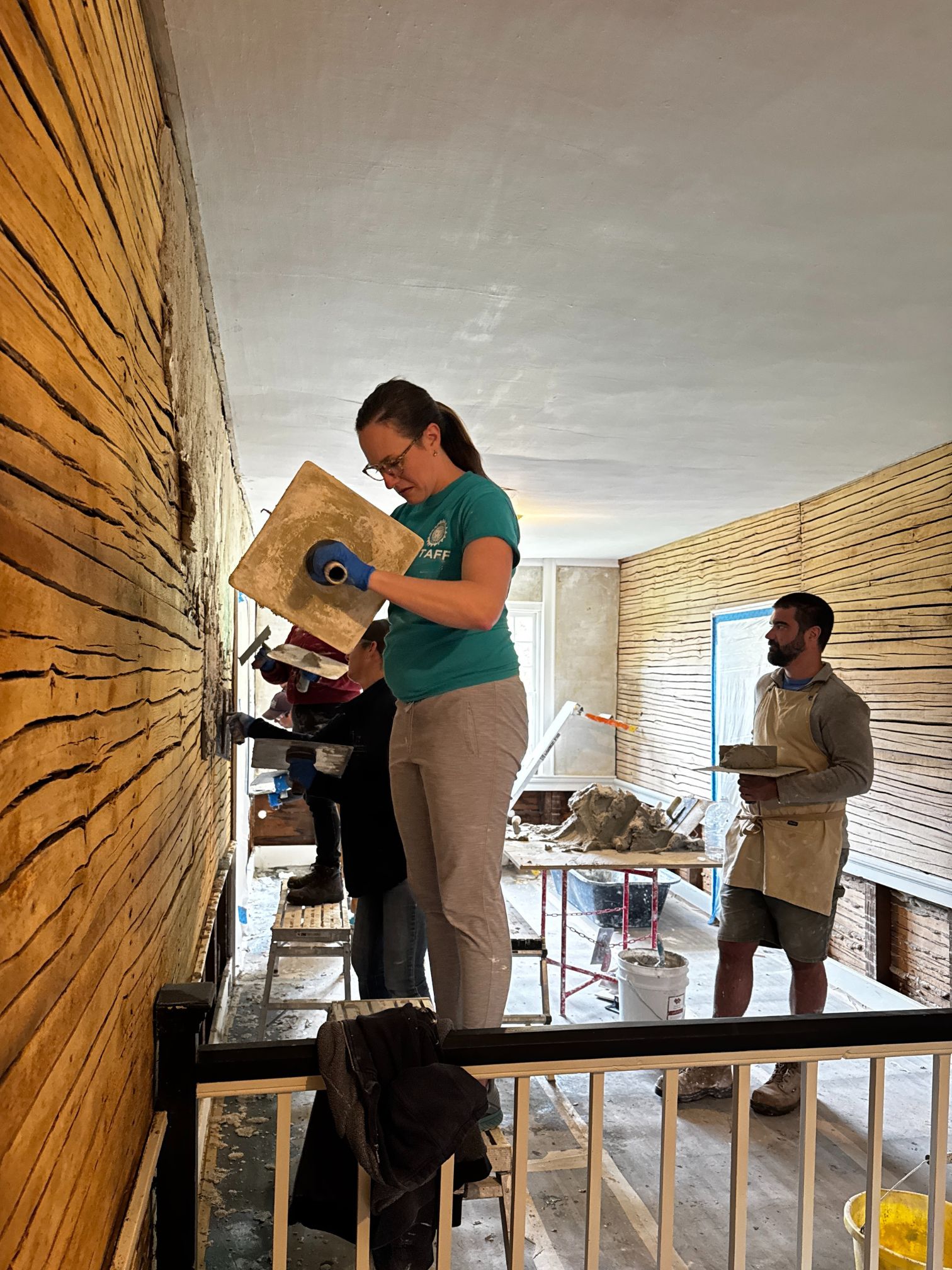
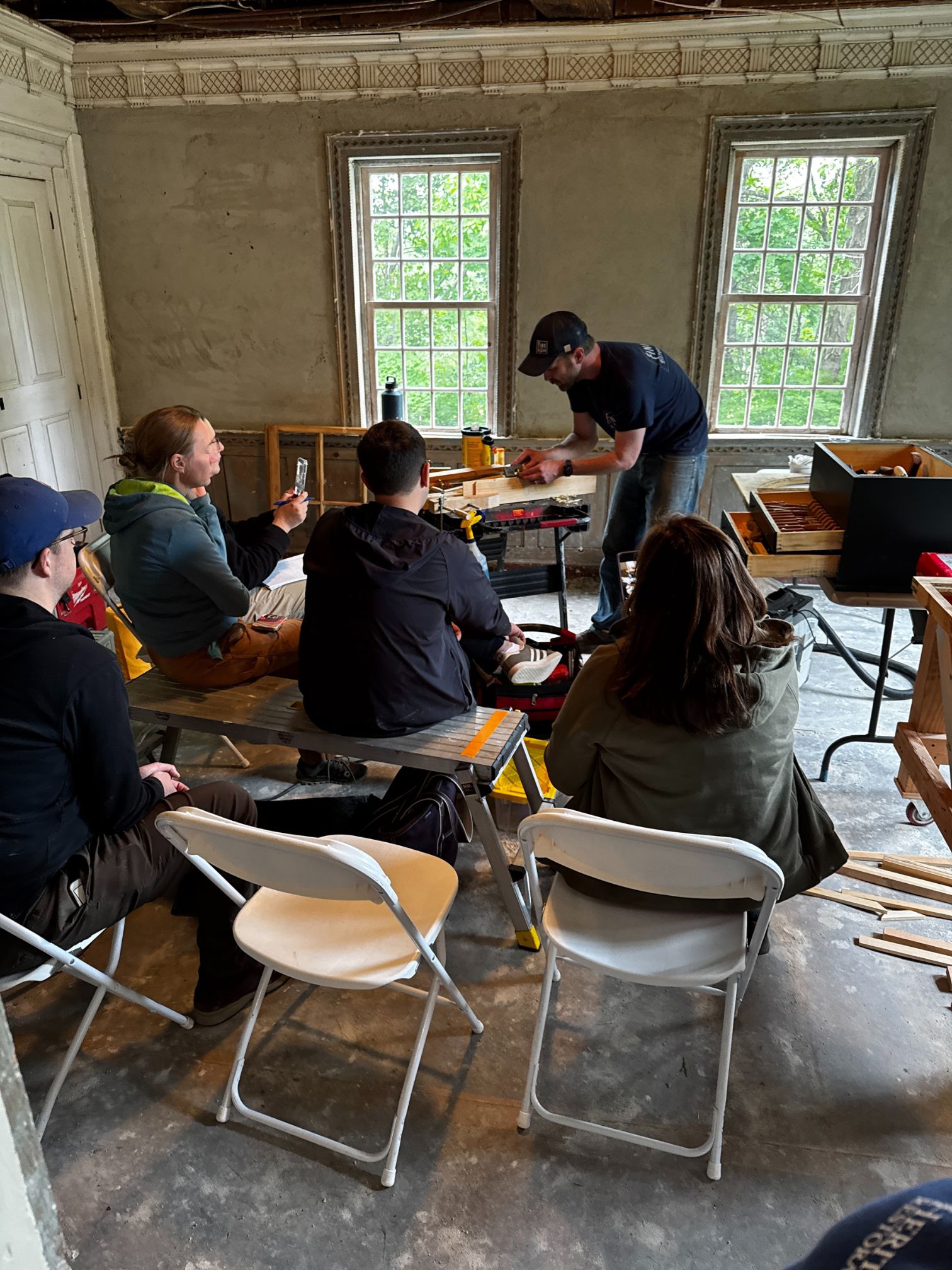
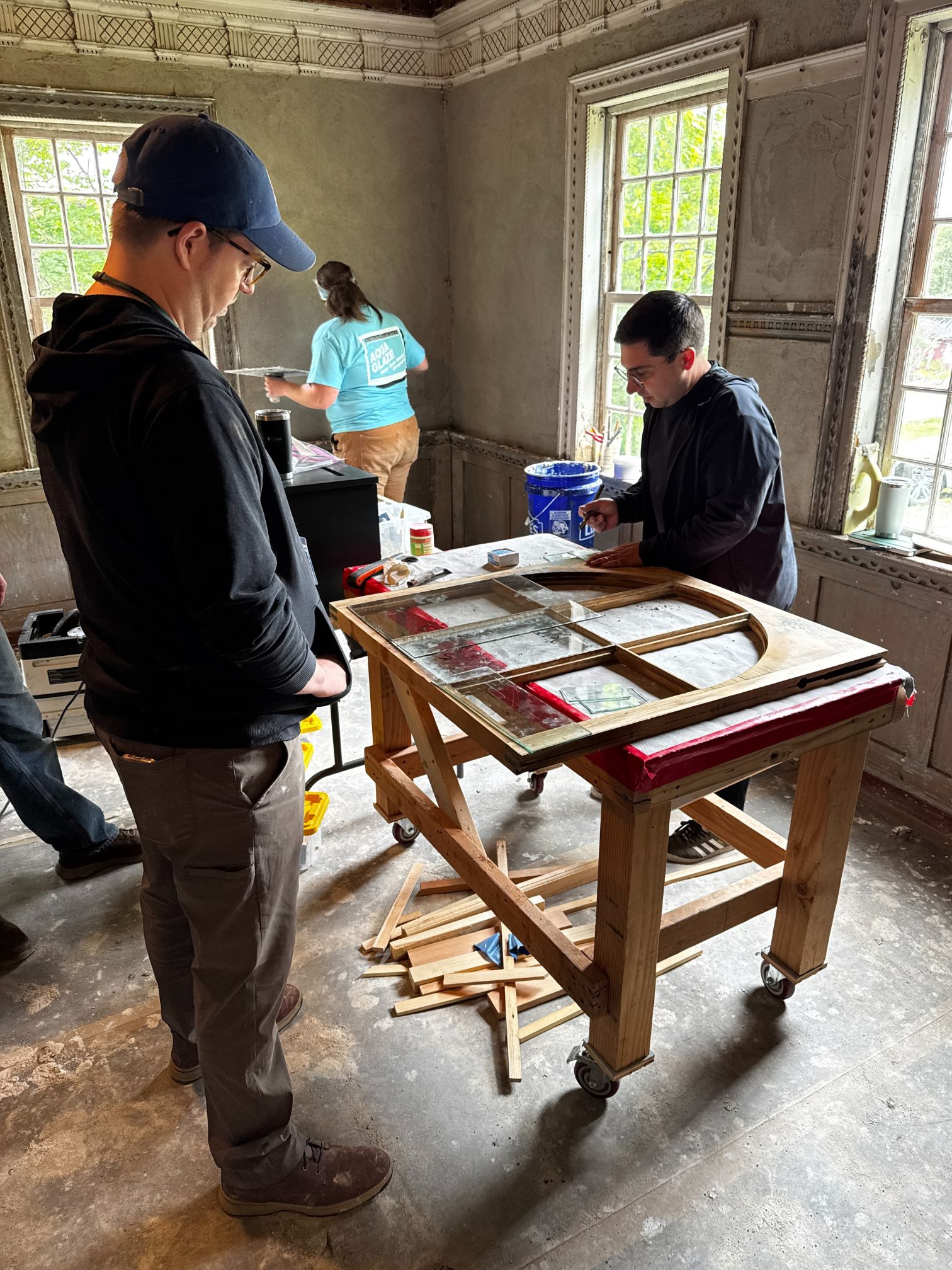
From May 29 through June 2, preservation professionals, craftspeople, architects, and tradespeople gathered in Eastford, Connecticut for a hands-on training focused on traditional and natural finishes. Hosted at The Castle, the five-day program emphasized practical learning and direct engagement with historic materials, techniques, and building traditions.
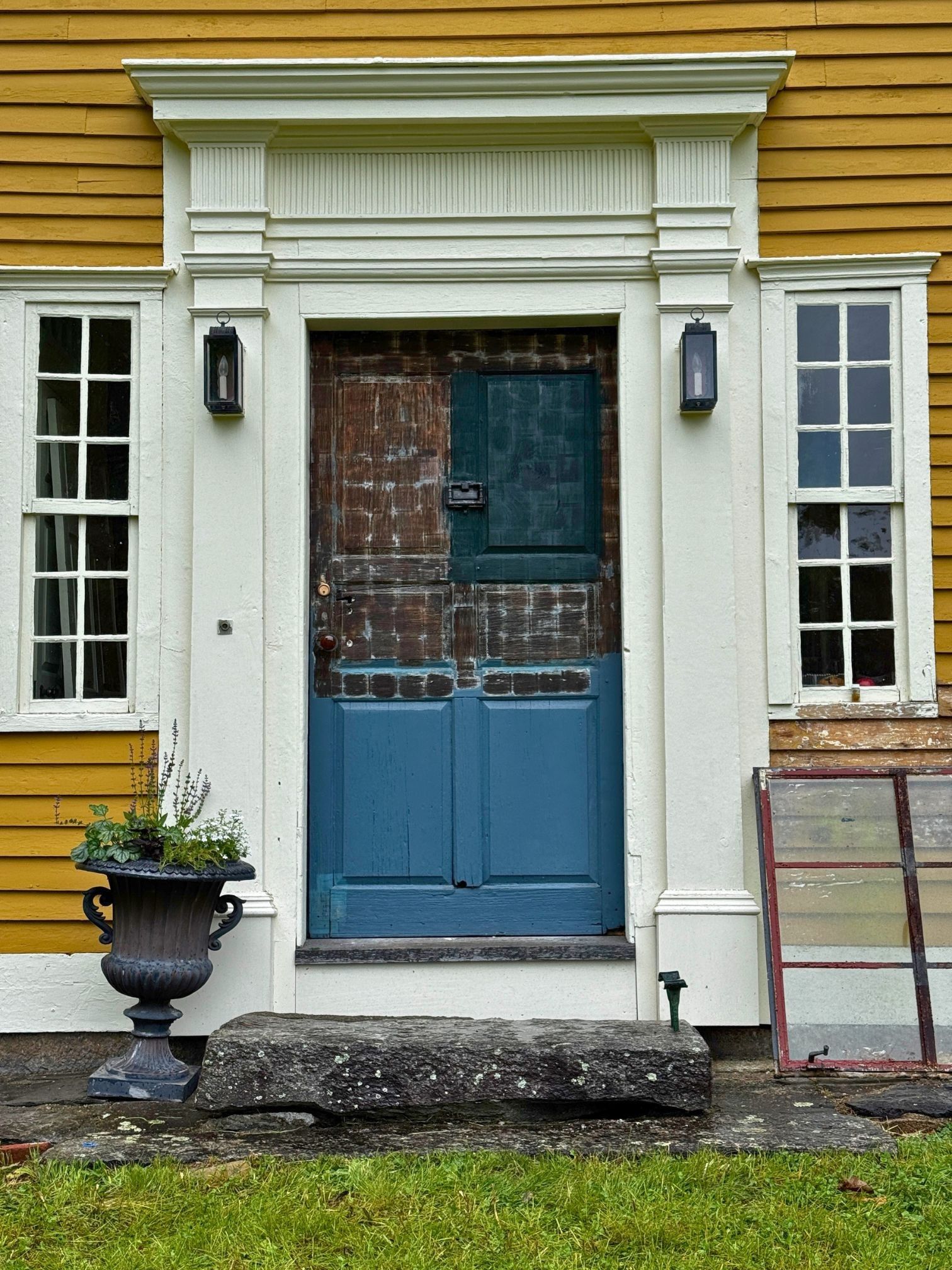
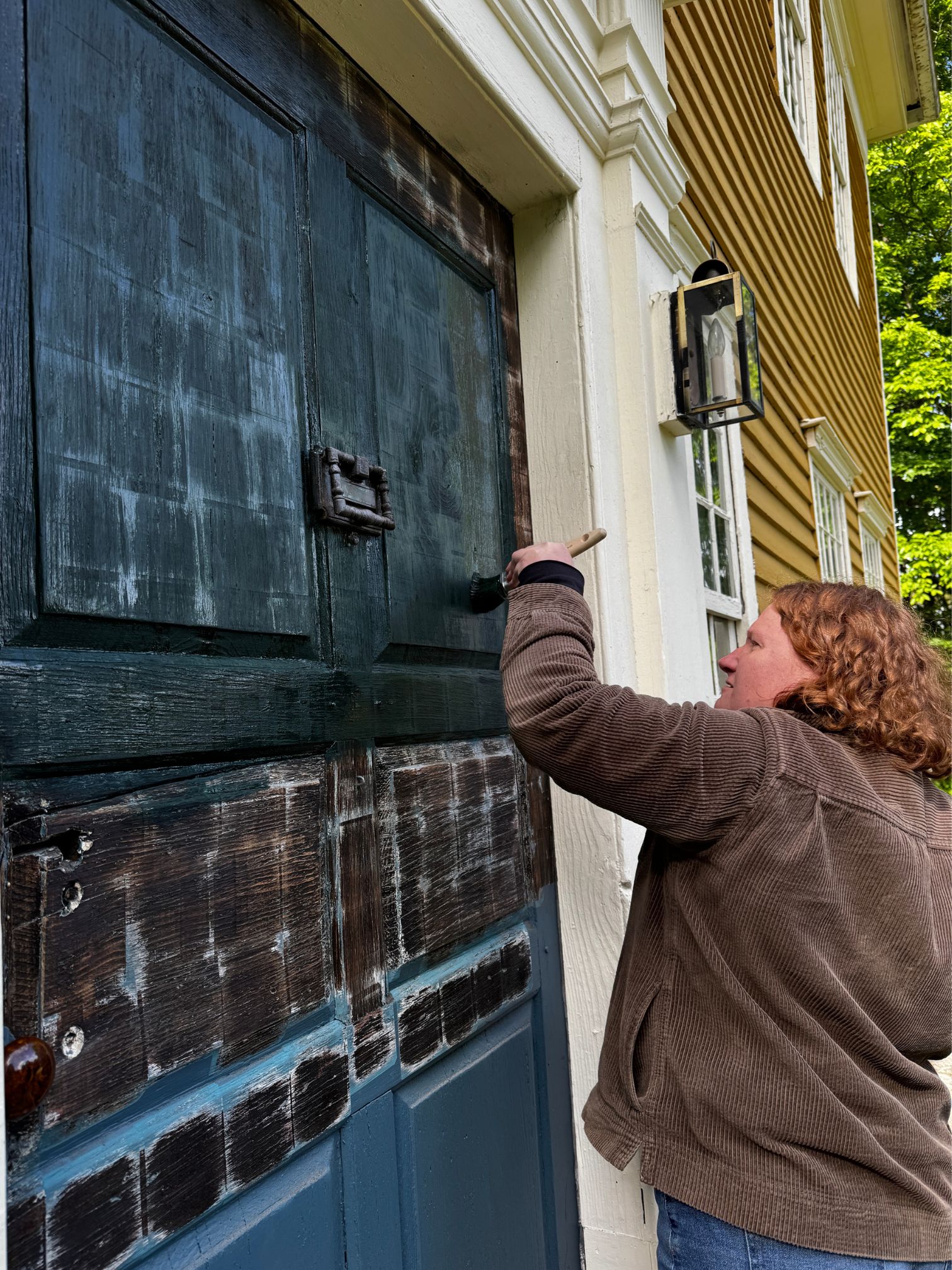
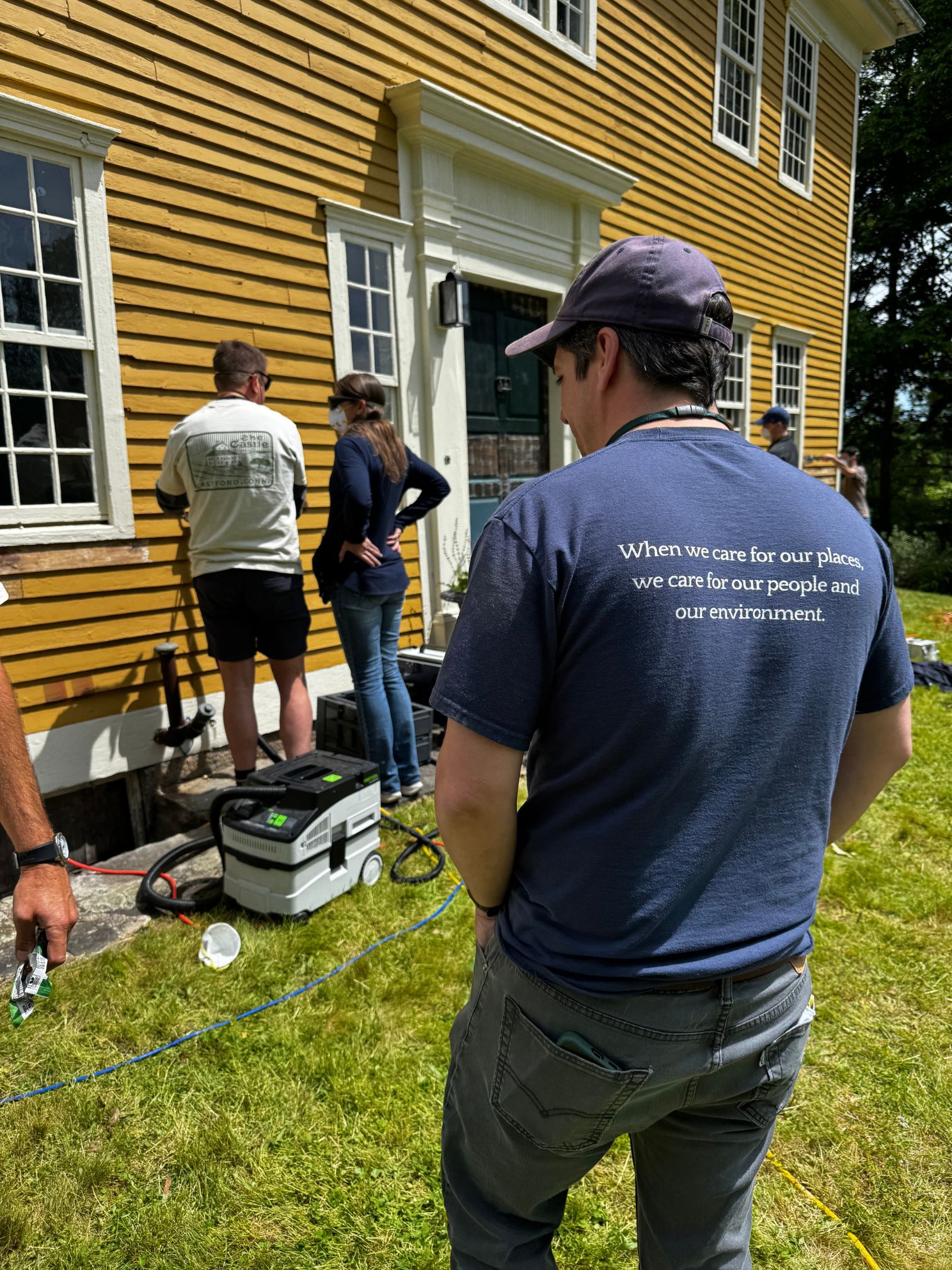
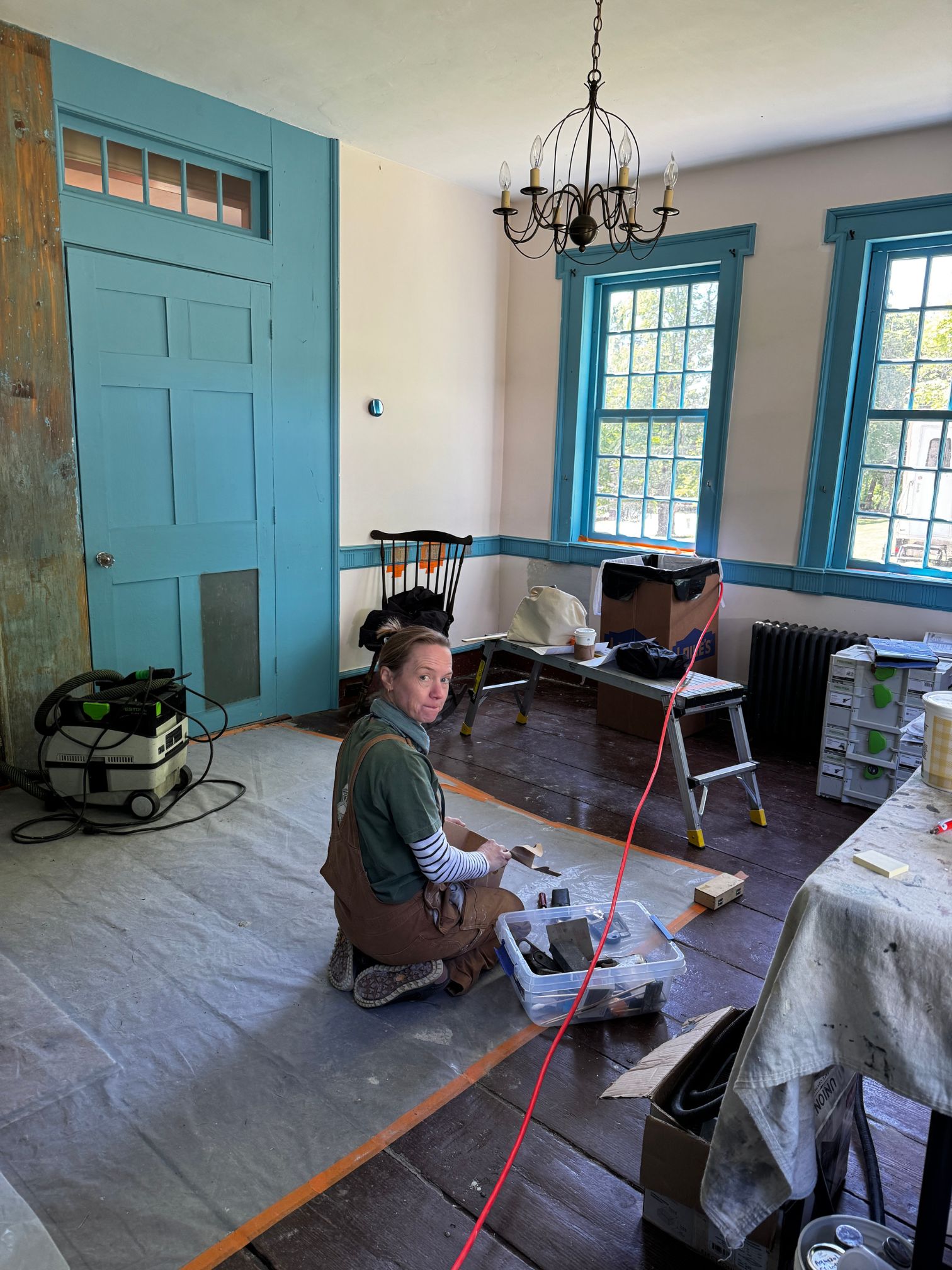
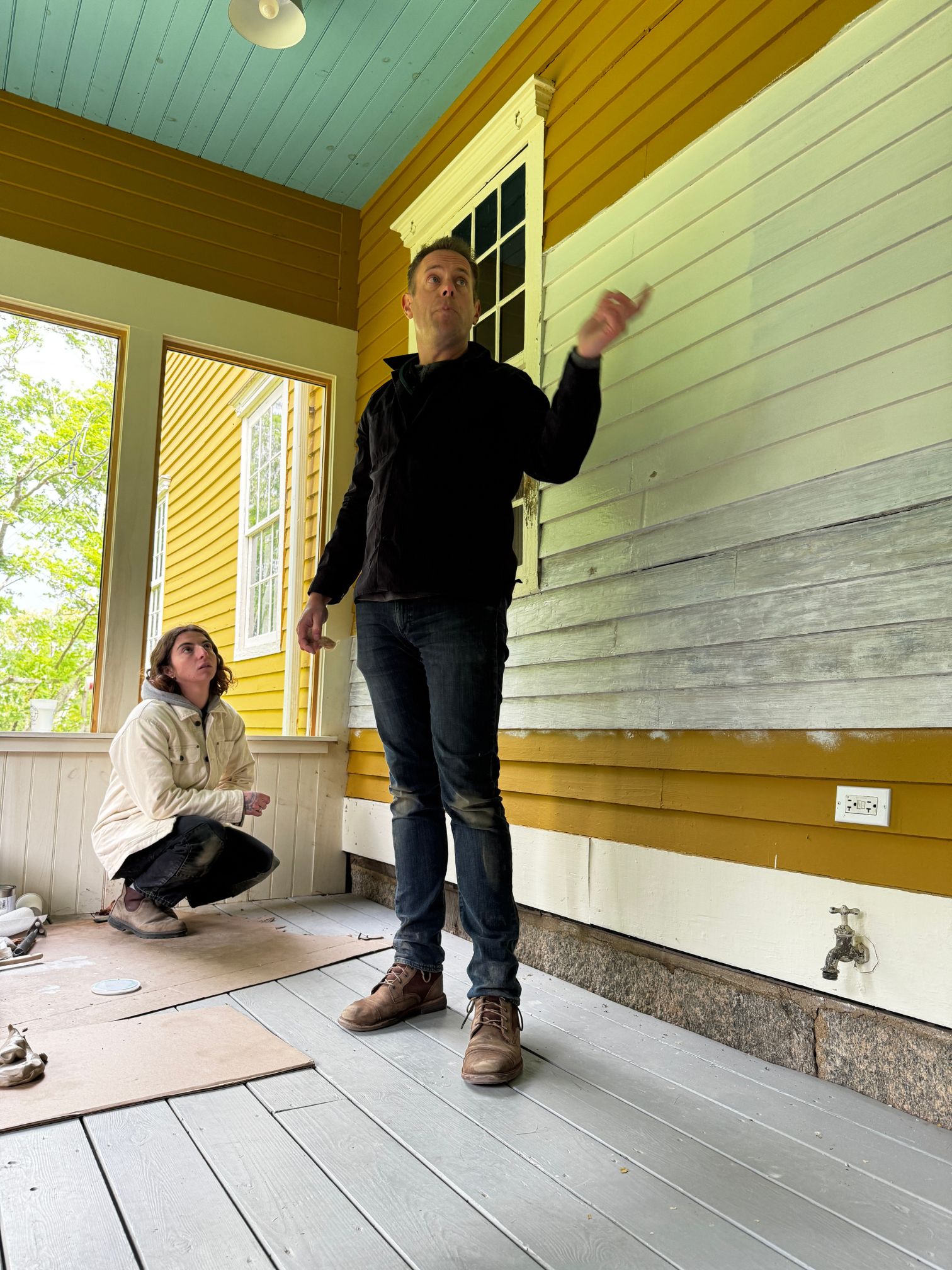
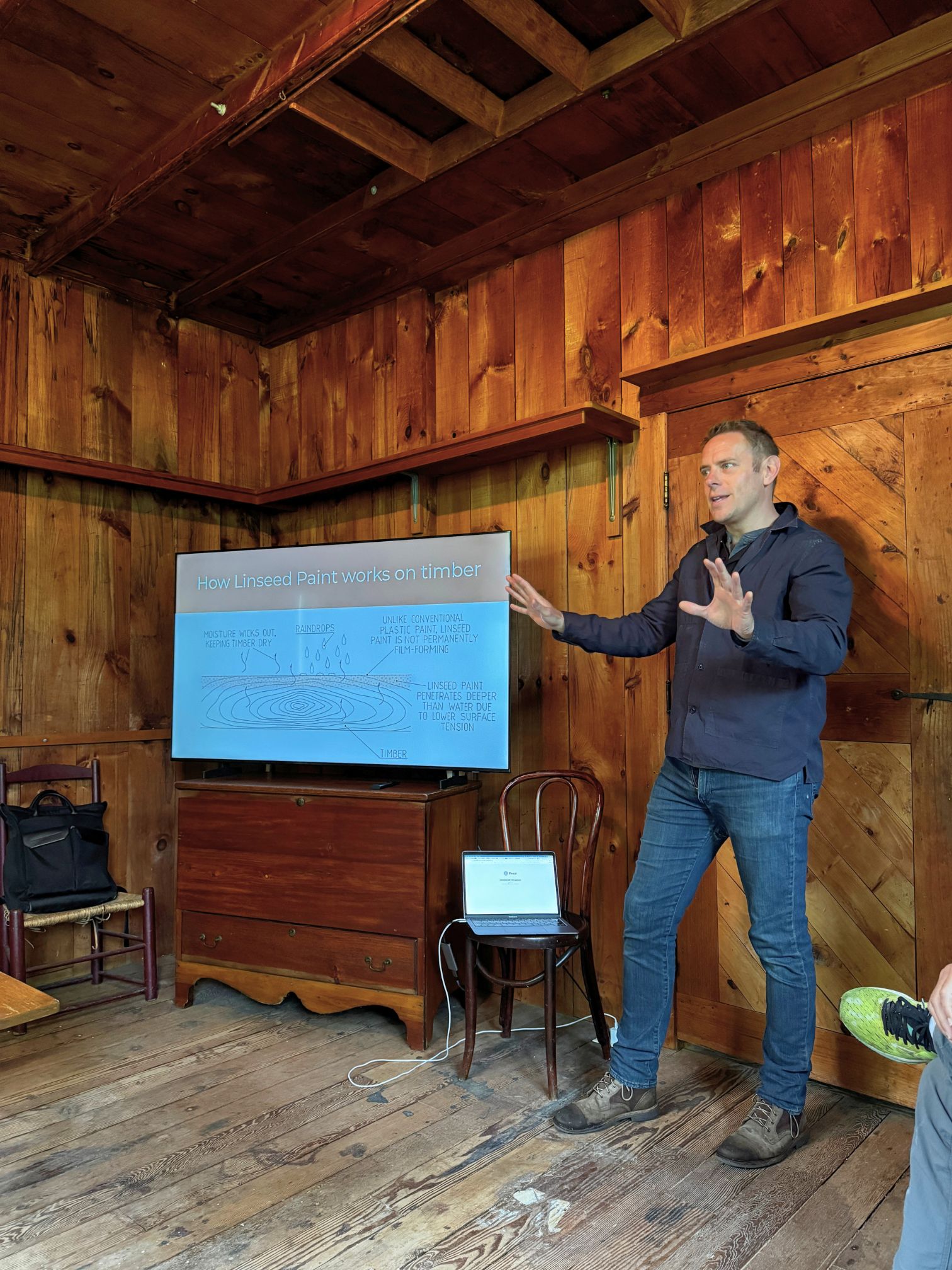
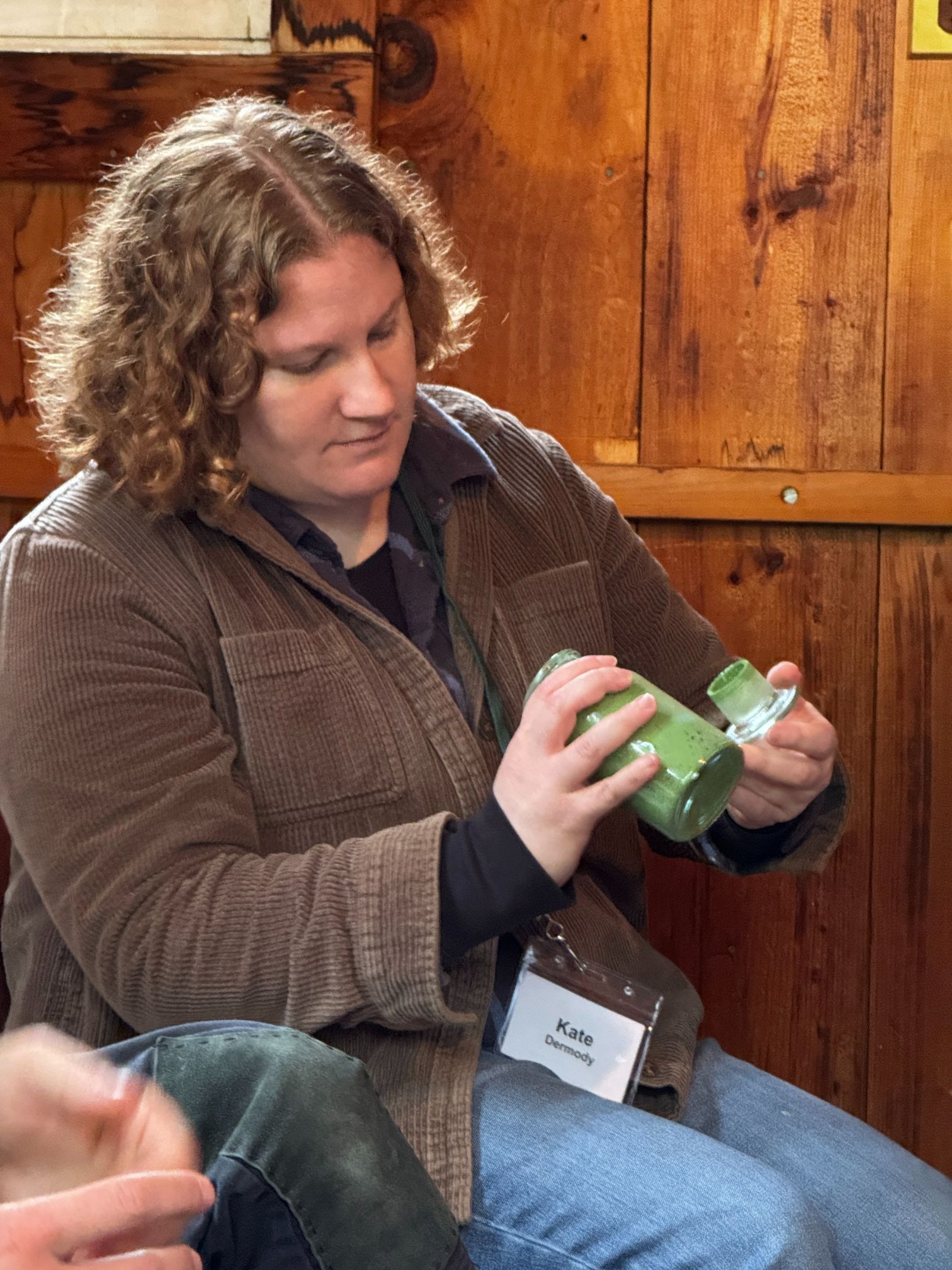
What made the event unique was its focus on doing rather than simply discussing. Participants spent their time working directly with traditional finishes, historic materials, and time-tested methods under the guidance of experienced instructors from across the preservation field.
The training was created in response to a growing need for practical education in the traditional building arts. As knowledge of historic materials becomes increasingly difficult to access through conventional education pathways, the program was designed to provide reliable, experience-based instruction that can be applied directly to real-world preservation projects.
The Castle reflects a vision that Michiel Brouns has championed for many years: bringing together the worlds of academic preservation and practical craftsmanship. As part of the conception, planning, and execution of the program, Michiel helped create an environment where knowledge could be shared directly between experienced tradespeople, architects, conservators, and the next generation of preservation professionals. At its heart, the initiative seeks to address the growing shortage of skilled historic tradespeople by making traditional building knowledge accessible, practical, and relevant.
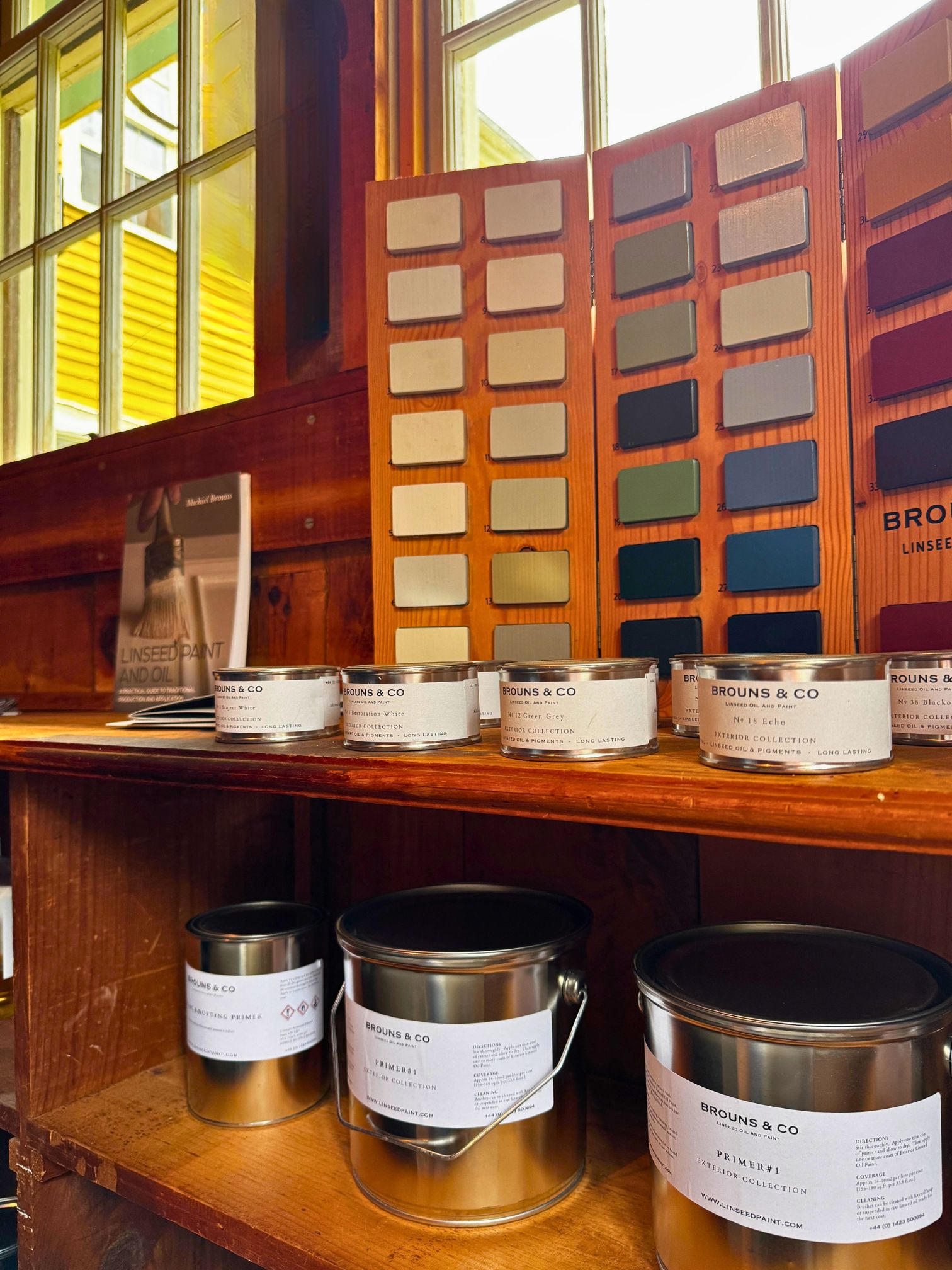
Throughout the event, attendees explored a range of traditional and natural finishing systems while sharing experiences from projects across the United States. Equally valuable were the conversations between sessions, where architects, contractors, conservators, and craftspeople exchanged ideas and discussed the challenges facing historic buildings today.
The setting itself contributed to the experience. Surrounded by historic structures and the Connecticut landscape, participants were able to step away from the pace of everyday work and focus on learning, observation, and craft.
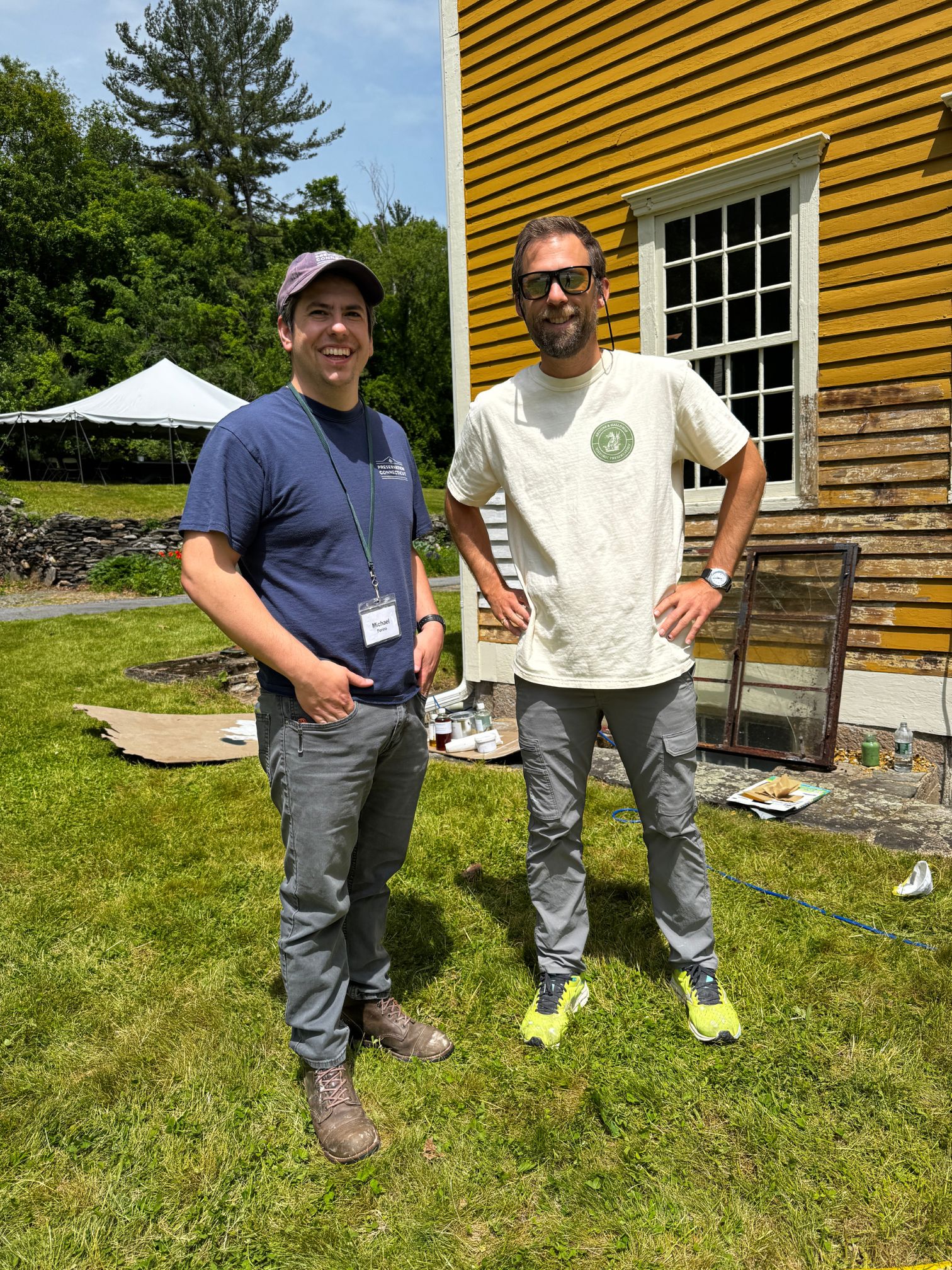
For many attendees, one of the greatest strengths of the program was the opportunity to connect with others who share a commitment to traditional materials and historic preservation. The event brought together people from different disciplines but with a common goal: understanding how historic buildings were constructed and how best to care for them in the future.
The Castle operates as an education-first initiative, and that philosophy was evident throughout the training. The focus remained on knowledge, technique, and stewardship rather than products or sales.
The success of this first event has already generated enthusiasm for future programs. As interest in traditional craft skills continues to grow, Guildhall is helping create a place where practical knowledge can be shared, preserved, and passed on to the next generation of preservation professionals.
For everyone who attended, taught, sponsored, organized, and supported the inaugural event, thank you for helping make Guildhall’s first training a success. We look forward to seeing how this community continues to grow.