Linseed Paint Revives the Van Gogh House
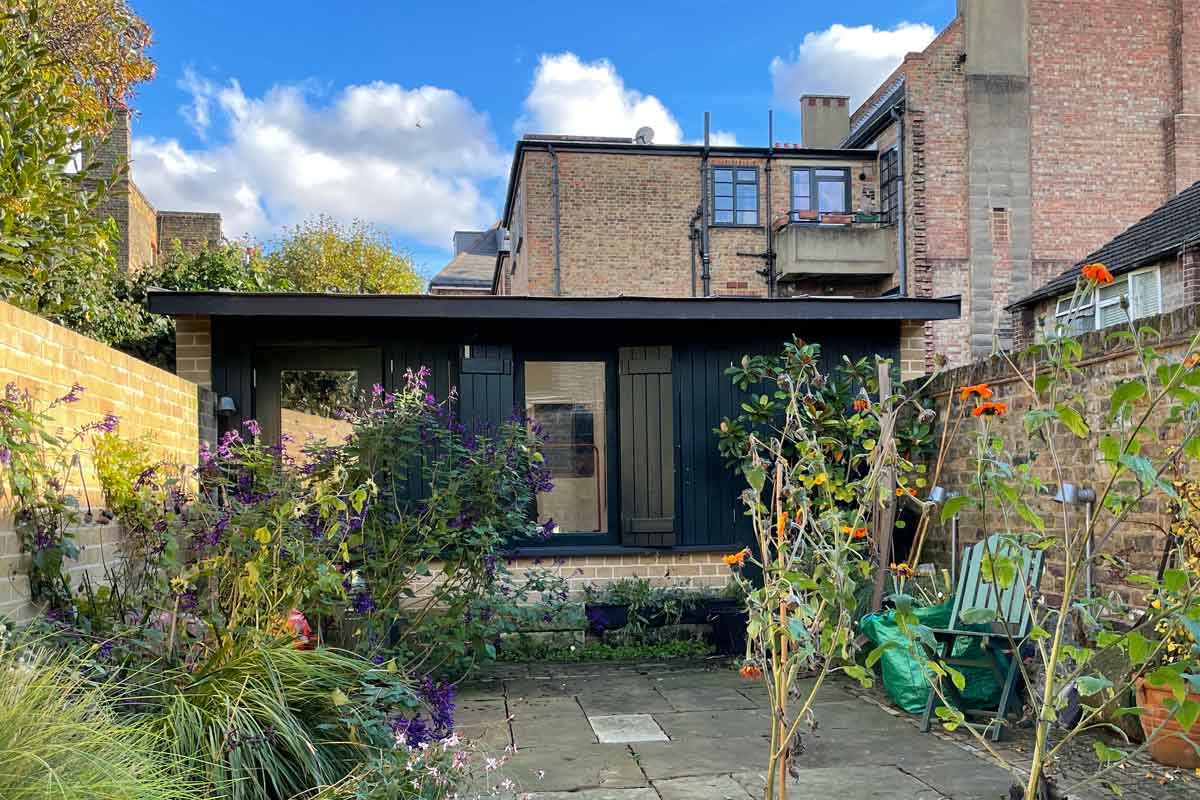
In the quiet streets of Stockwell, South West London, stands a modest Victorian residence with an extraordinary past: the Van Gogh House, once home to the young Vincent van Gogh between 1873 and 1874. After decades of decline, the building has undergone a remarkable transformation—restored with precision, traditional craftsmanship, and an unwavering commitment to authenticity. Today, it serves as both a cultural landmark and a creative hub for contemporary artists.
At the heart of this restoration is Brouns & Co, whose natural linseed paint, wax, and oils were essential in reviving the property. Their materials not only protect and enrich the house’s historic fabric but also reflect the same traditional paint technology used during Van Gogh’s lifetime.
Restoring a Historic London Treasure
When the Wang family acquired the deteriorating property in 2012, they faced significant preservation challenges. The house required complete structural and aesthetic renewal, but every intervention needed to respect the building’s Victorian origins. Traditional methods and natural materials were selected to ensure authenticity and long-term performance. A restoration philosophy built on lime plasters, horse-hair mortars, and linseed-based finishes created a cohesive, historically grounded approach—one that honoured the period in which Van Gogh lived.Why Linseed Paint Was the Ideal Choice for the Van Gogh House
The building’s renovation team selected Brouns & Co linseed paint for its unmatched compatibility with heritage timber. Its natural formulation penetrates deep into the wood, nourishing the fibres and providing a flexible, durable finish that resists the common failures seen in modern plastic-based coatings.A Paint With the Same DNA as Van Gogh’s Oils
Brouns & Co founder Michiel Brouns explains the extraordinary connection between traditional linseed paints and those used by Van Gogh himself:“Linseed oil paint is a solution for protecting timber that goes back centuries, but which fell out of favour with the advent of plastic-based coatings in the 1950s. In fact our linseed paint is so close to traditional, centuries-old paint that it is almost identical to what Van Gogh used to create his paintings—it’s just thinned down so that it can be used on timber.”This lineage reinforces that linseed paint is not simply a coating—it is a material with cultural and artistic continuity, making it uniquely suited to a house tied so closely to Van Gogh’s story.
Durability Rooted in Natural Performance
Where modern paints often crack, peel, and trap moisture—leading to premature damage—linseed paint performs differently. It remains flexible, stable, and deeply bonded to the substrate. Michiel expands:“Whereas modern paints crack and peel over time, letting in water and exposing the wood to damp and rot, linseed paint, which is both wicking and natural, doesn’t do that, so it’s a much more durable product, only requiring a replenishing wipe over with linseed oil every 10–15 years.”This long maintenance cycle dramatically reduces the need for sanding, scraping, or repeated repainting. He continues:
“Using a non-breathable paint on window sills and sashes will actually accelerate decay, whereas natural linseed paint won’t build up any moisture in the wood. It also gives the timber a beautiful character in the final finish, which you can see throughout the Van Gogh House in our historically accurate colours.”By allowing moisture to move out of the timber—rather than trapping it—linseed paint protects the longevity and stability of historic joinery.
Sustainability at the Core of Conservation
Alongside its performance benefits, linseed paint is also a fully sustainable and environmentally responsible material. Brouns & Co linseed paint contains:-
No harmful VOCs
-
No petrochemicals
-
No microplastics
-
No synthetic binders
“That’s why we’re now seeing a huge surge in interest—from incredible conservation projects like the Van Gogh House, through to homeowners completing their own decorating projects that won’t harm the environment.”
A Restoration That Bridges Past and Present
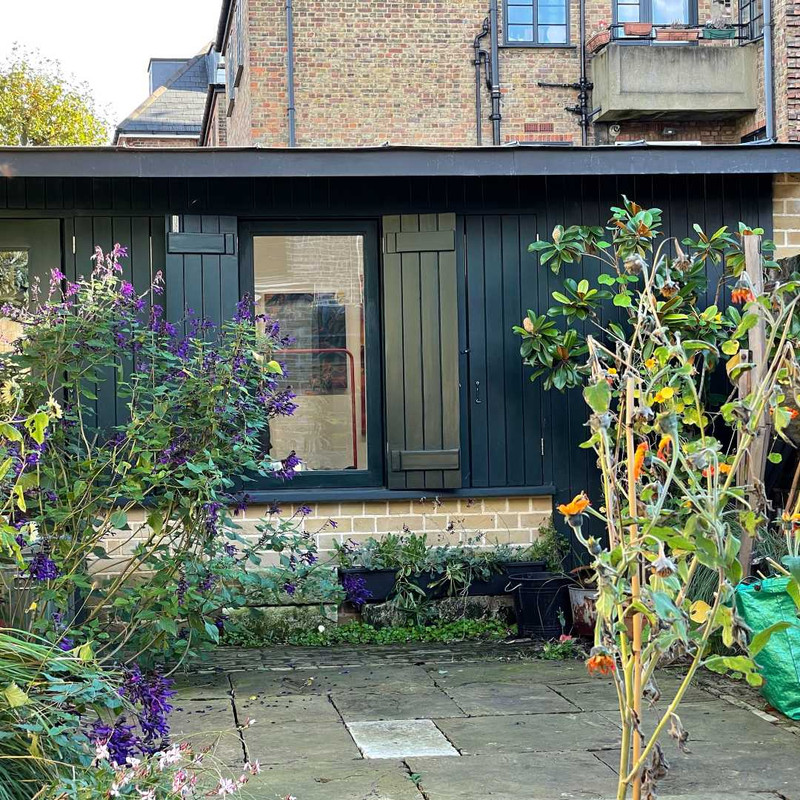
Today, the restored Van Gogh House London stands as a testament to what is possible when traditional craftsmanship meets modern conservation ethics. The subtle sheen of linseed paint throughout the property reflects both respect for the building’s Victorian roots and a renewed spirit of creativity.
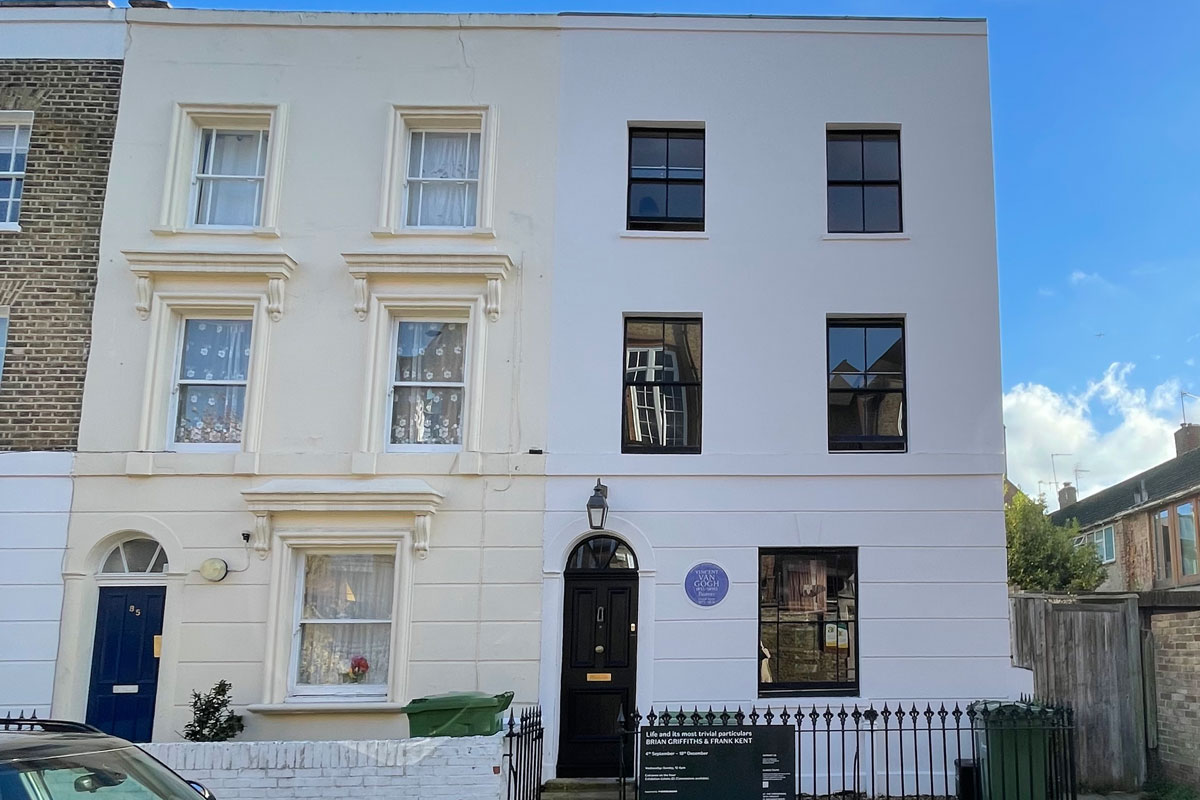
Van Gogh House
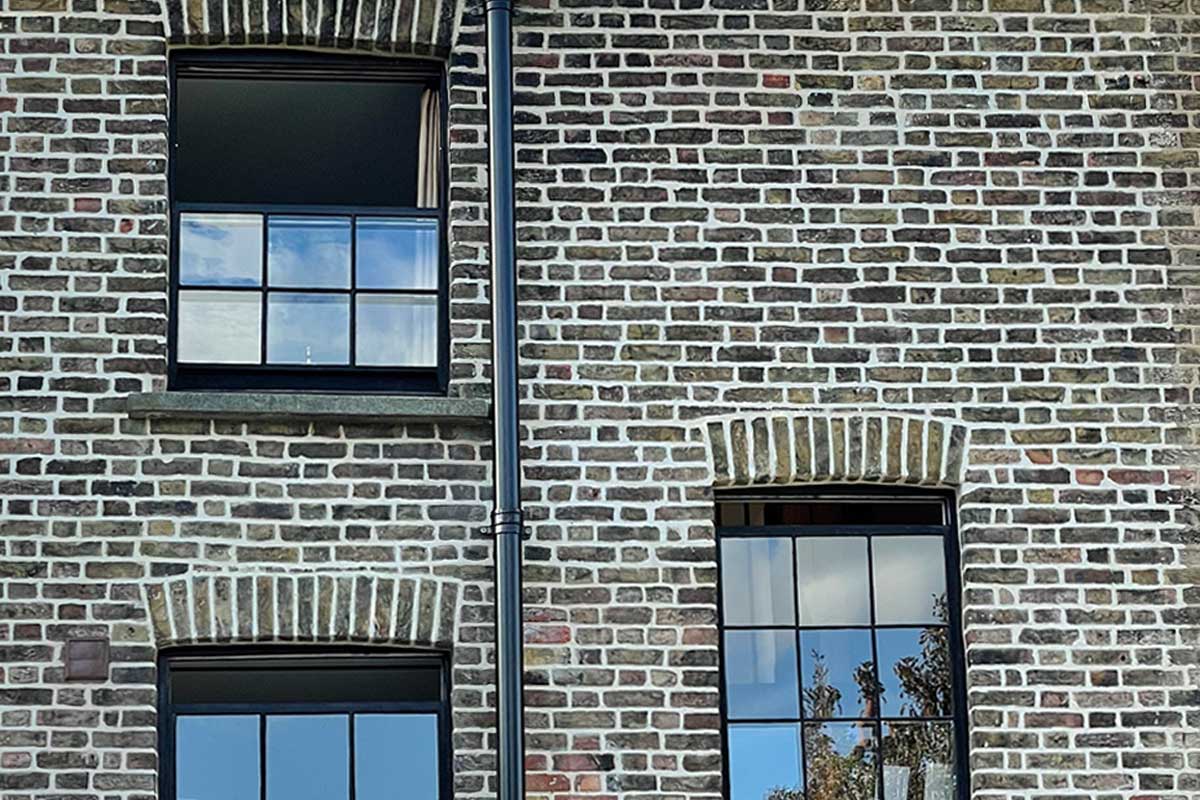
Linseed Paint - Windows